
Bell Building Projects
With over 40 years of construction experience, BBP is now at the forefront of safe, compliant cladding remediation across the UK.
Combustible Cladding Remediation: the work that really matters
The risk few are willing to own
Fire remediation isn’t standard construction. It’s deconstruction and then reconstruction under pressure, stripping away cladding, exposing fire-stopping often while residents remain in their homes.
It’s risky. It’s complex. It’s under intense scrutiny from regulators, insurers, and the public. And yet, there’s a serious gap in the industry: very few people are actually competent – or willing – to assess fire risk during the construction phase.
You’ve got:
- Fire engineers trained for completed buildings, not live sites
- Consultants charging extortionate fees to avoid the work
- Others dangerously undercooking it with generic reports that won’t stand up to challenge
The result? Confused clients, inflated costs, delayed projects, and unnecessary risk.
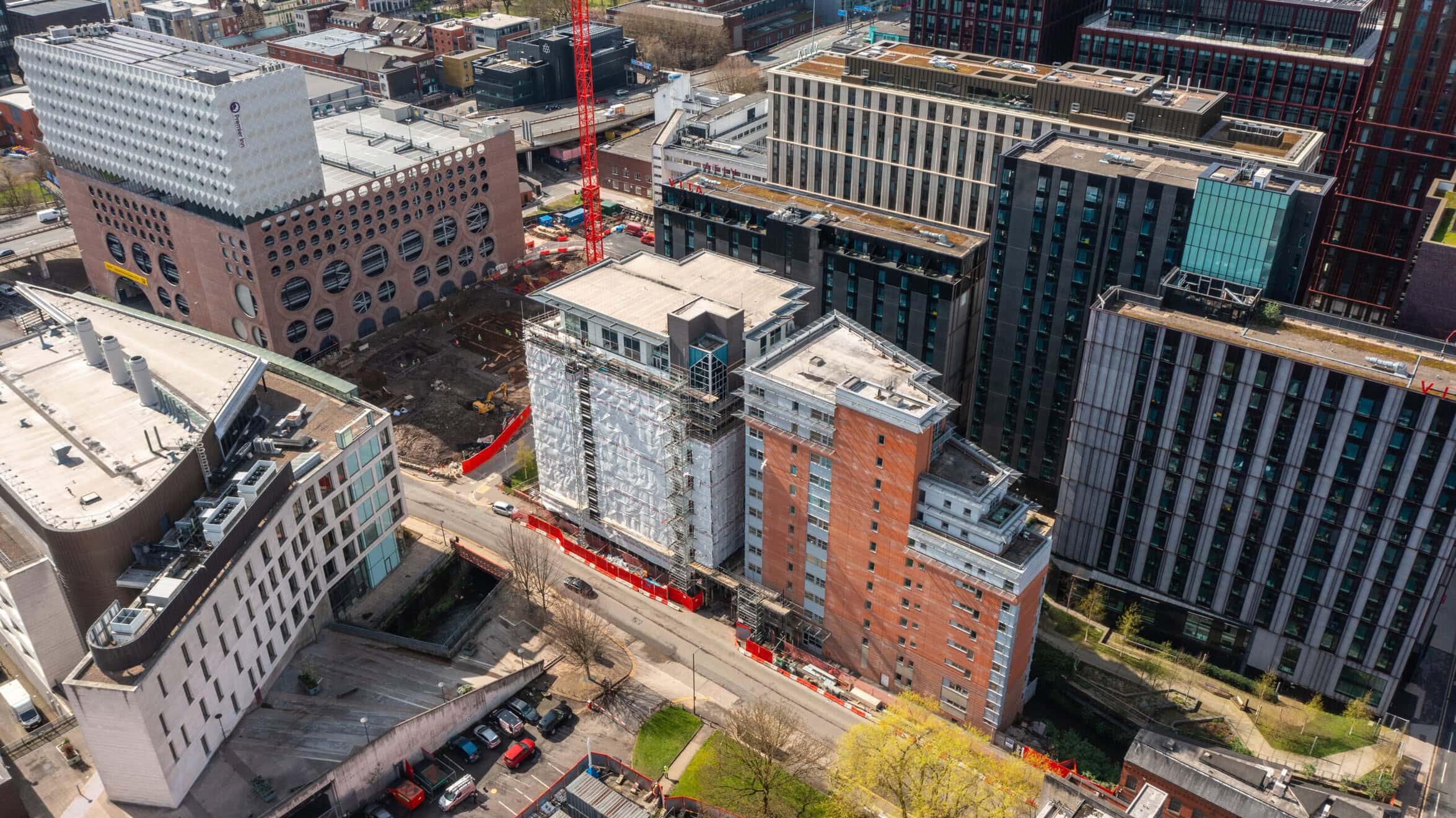
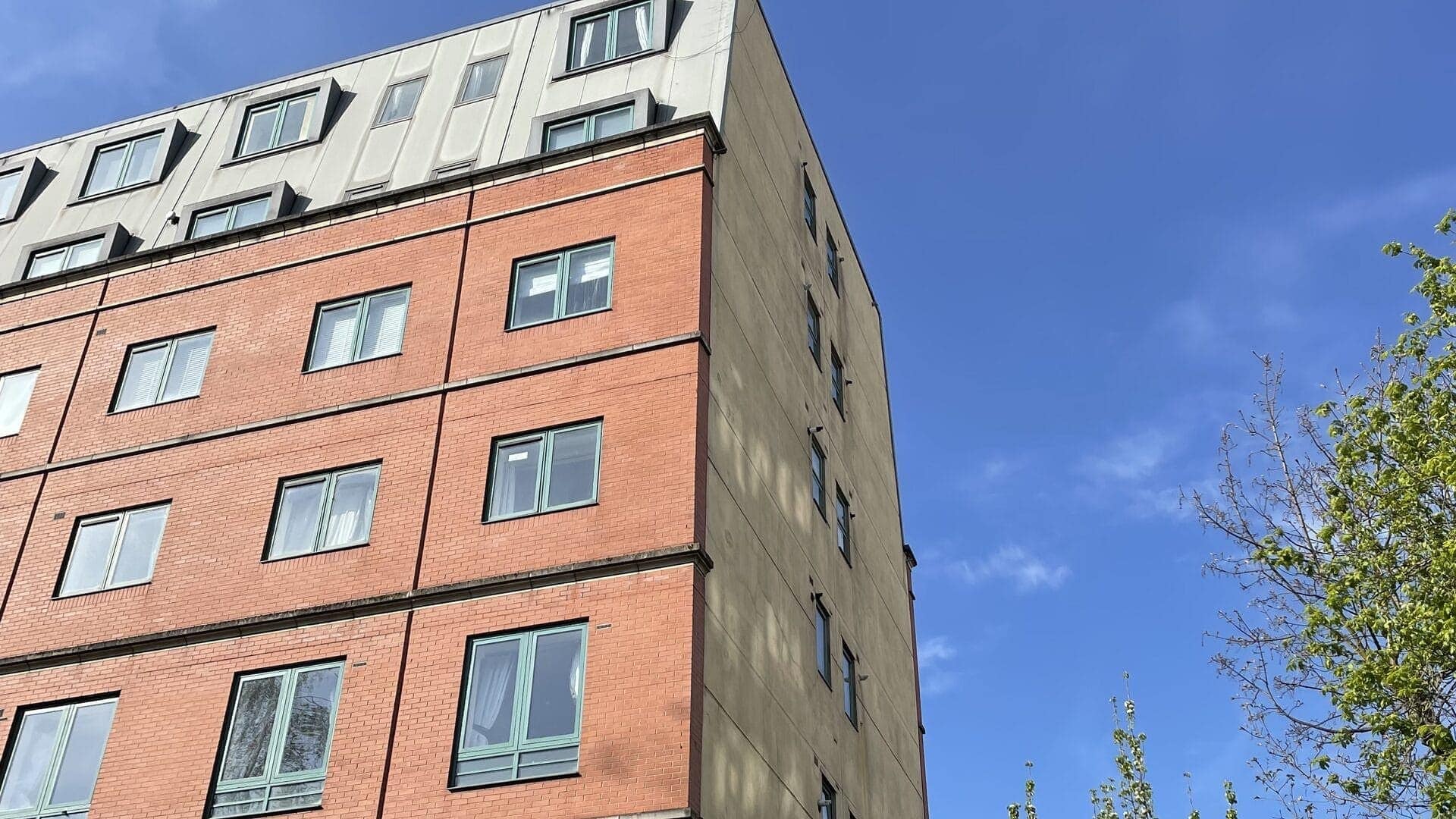
Princess House – Manchester

The countdown is on - but rushing it isn't an option
Following years of delay and political fallout, the government has now set a hard deadline: all high-rise buildings with unsafe cladding must be remediated by 2029.
Campaigners say trust is already thin. The process is complex, heavily scrutinised, and fraught with legal, technical, and emotional issues. They also claim the deadline is unrealistic and in the scramble to complete projects in time, corners may be cut.
Speed is essential if this deadline is to be achieved… but we believe that safety, precision, and accountability matter more.
That’s why BBP’s approach demands partners who understand not just compliance, but consequence.
With Havio involved from the earliest design stages, BBP can move quickly, confidently, and responsibly in one of the most politically sensitive sectors in UK construction.

Montana House – Manchester
Why BBP partnered with Havio

Bell Building Projects (BBP) is a well-established main contractor with a 40+ year track record in industrial and commercial delivery.
But after The Grenfell Tower Disaster, they shifted decisively into cladding remediation – one of the most high-stakes, tightly regulated construction sectors in the UK.
With a pipeline of 30+ projects, BBP needed a fire safety partner who understood both regulation and reality.
Someone who could work alongside their teams to identify risk without derailing the job.
They chose Havio.


What Havio delivers
BBP use Havio across all their remediation sites to give them confidence in their approach and clarity in front of stakeholders. We deliver:
- Design-Stage Fire Risk Assessments – embedded early to help price in risk properly
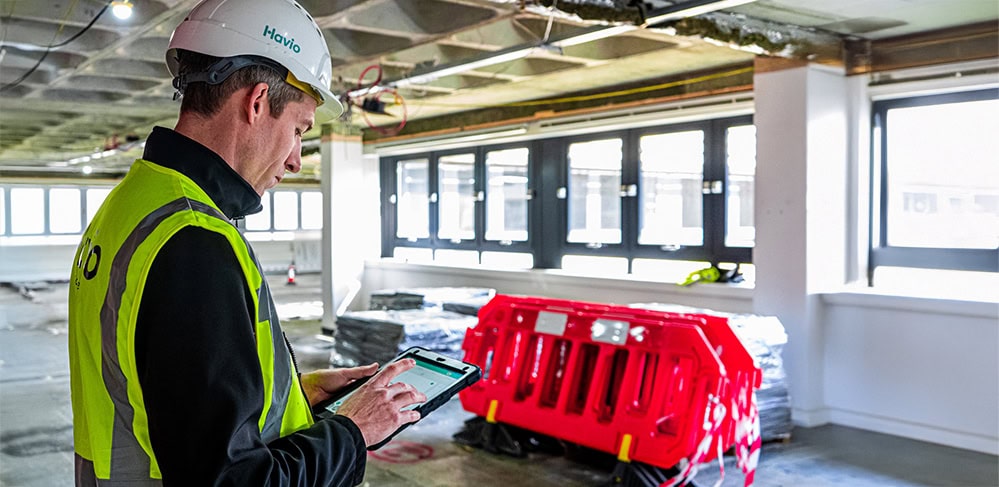
- Construction Fire Risk Assessments (CFRAs) – based on desktop analysis and on-site review
- Live Site Reviews & Support – practical advice through every phase of the works
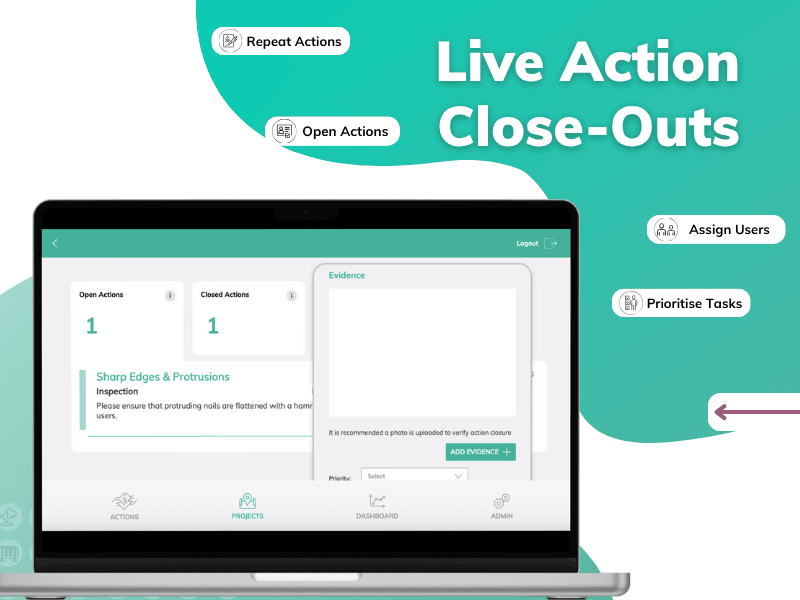
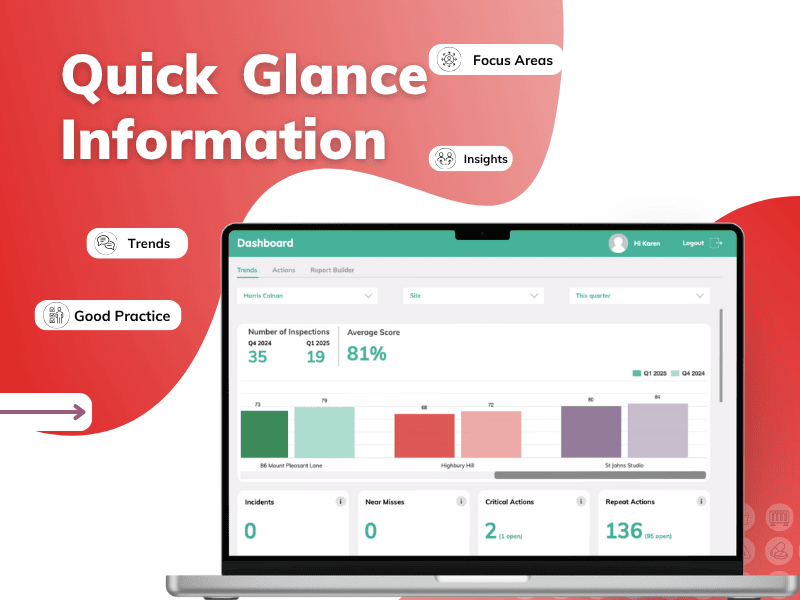
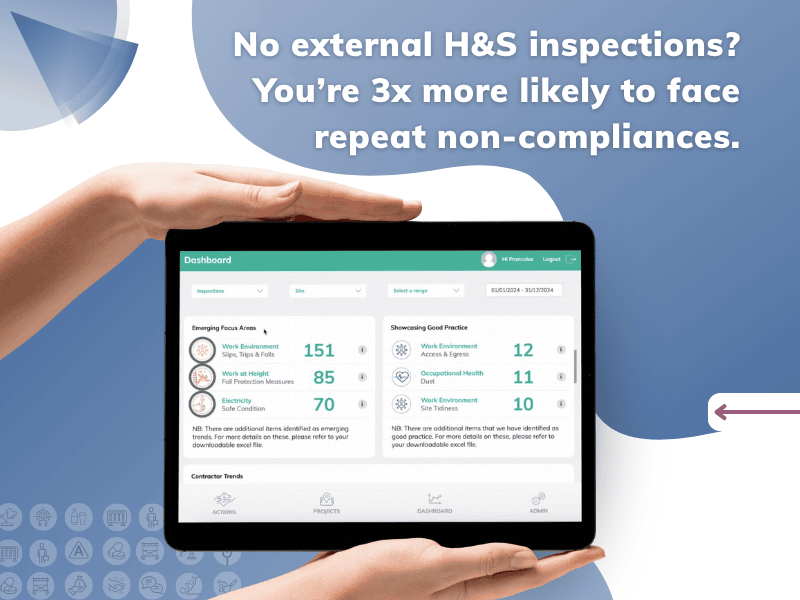
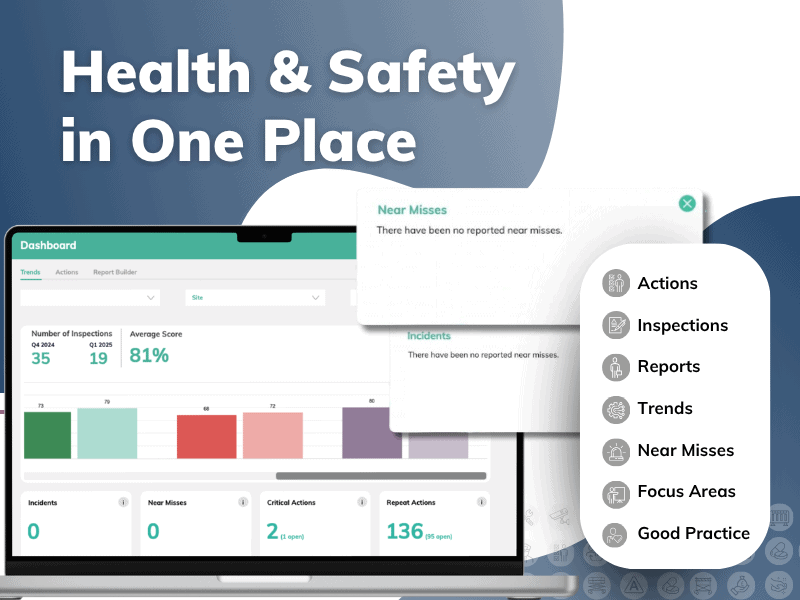
All assessments are delivered through our own Altitude platform, ready for regulators, insurers, and internal teams alike.
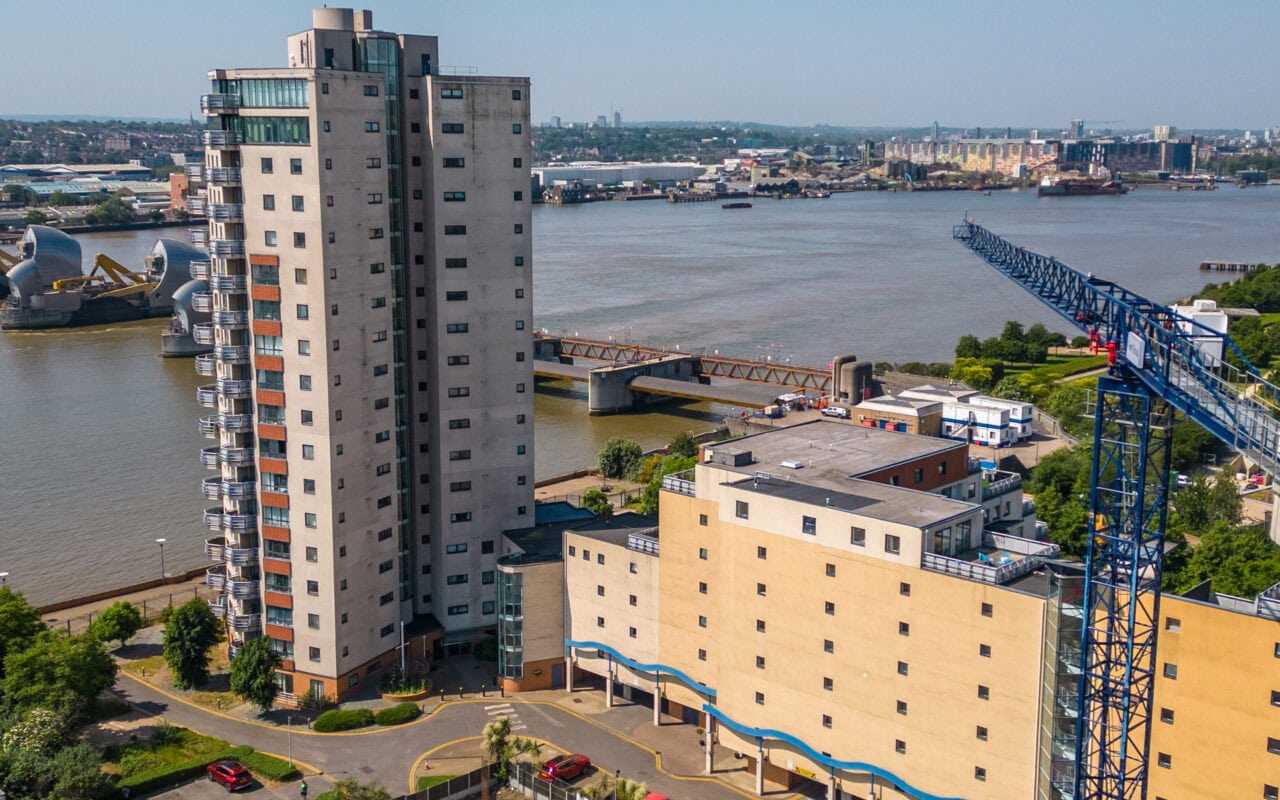
Tradewinds – London
What’s really at stake during Fire Remediation
Fire remediation works can increase fire risk if not planned and managed carefully – especially when residents remain in occupation.
You’re stripping away protection, disrupting alarms and fire-stopping, and working around people’s homes. The risk shifts daily.
As BBP’s Construction Fire Risk Assessment provider, Havio assess how the work affects fire risk at each stage and suggest clear, practical measures to reduce it.
Resident Safety and Communication
Remediation works don’t just affect buildings they affect lives. Residents may already be anxious, frustrated, or feeling trapped in unsellable homes. Our assessments consider this human context. We advise BBP to:
- Maintain open, honest communication through Resident Liaison Officers (RLOs)
- Reinforce key behavioural points with residents (e.g. no smoking out windows, no BBQs)
- Align the fire strategy with how people are actually living in the building
Compartmentation and Cladding Removal
Removing cladding often compromises compartmentation critical for stopping fire spread. In these cases, ‘stay put’ strategies may no longer apply. We assess the impact of:
- Sectional removal and reinstatement sequencing
- Temporary compartmentation or fire barriers
- How long vulnerable areas remain exposed
And we advise on short-term mitigations that can help protect residents during these phases.
Fire-Stopping Delays and Mismanagement
One of the key risks is fire-stopping being removed early… and reinstated late. We identify these points in the build programme and flag where the sequencing introduces vulnerability – advising BBP to:
- Track removal and reinstatement clearly
- Reduce time gaps between them
- Ensure the site team understands how it affects the evacuation strategy
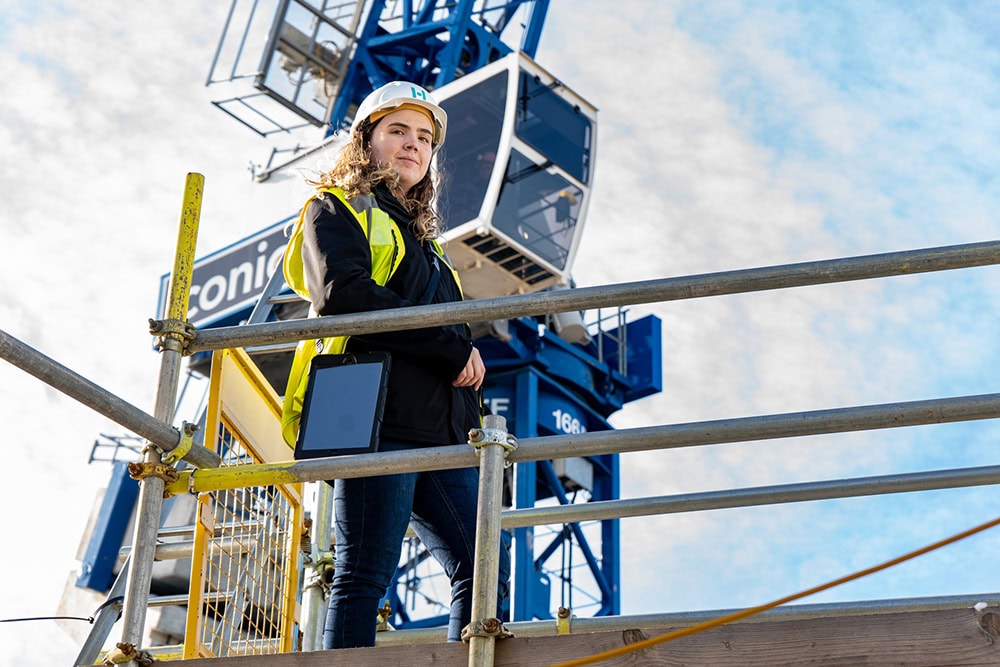
Scaffolding: It's Not Just Access - It's a Fire Risk
Scaffold design can increase fire risk, especially on occupied buildings.
Timber platforms add fuel. Monoflex wraps can trap smoke and heat, leading to dangerous smoke logging if a fire breaks out.
We assess:
- If non-combustible scaffold systems (like steel platforms) were considered
- Justification for timber use and how fire load is being controlled
- Whether ventilation breaks are built into the wrap design to let smoke escape
Scaffolding isn’t neutral. It’s part of the fire strategy – and it needs to be treated that way.
Evacuation Strategies During Works
When compartmentation is breached or alarms are offline, evacuation plans must change – fast. We evaluate whether:
- The temporary fire strategy is clearly defined
- Simultaneous evacuation has been planned for
- False alarm risks (e.g. during linking of new alarms) have been accounted for
We don’t write the strategy – but we assess whether the one in place matches the risk.
Contractor Fire Risk Management
Fire remediation is still a developing industry. Not all contractors have the fire safety awareness the work demands. We assess:
- Site-wide controls on hot works, battery charging, gas storage
- Fire point provision and travel distances (as per HSG168)
- Day-to-day fire risk management and general housekeeping
Where standards fall short, we make it clear in our reports so BBP can act.
Fire Safety Measures: Vital, Not Optional
Fire alarms, extinguishers, scaffold fire points – these aren’t just boxes to tick. We assess:
- Whether provision aligns with risk level and resident occupancy
- How systems integrate across scaffold and building
- Whether mitigation is in place when ideal standards can’t be met
Our role is to give BBP a clear picture of the fire risk on site – and what must be done to manage it.
Why Havio’s approach works
We’re embedded right from the start – building fire safety into the design, not bolting it on afterwards.
Our advice is grounded, evidence-based, and backed by documentation that stands up to scrutiny from regulators, insurers, and clients alike.
There’s a misconception in the industry that fire engineers are the natural choice for construction fire risk assessments. They’re not. Most are trained to develop strategies for finished buildings, not live sites in a constant state of change.
Havio specialise in construction-phase fire risk assessments. We combine deep fire safety knowledge with hands-on construction experience so we understand both the hazards and the practicalities of delivering the work. That’s rare.
We’re not here to tick boxes or cover backs with overcautious advice that sends budgets spiralling. We’re here to give balanced, defendable guidance that keeps people safe and keeps projects moving.
Because when it comes to fire safety during remediation, the worst thing you can do is either undercook it… or overreact. Both are costly. Both are dangerous.
Our role is simple:
To give our clients the clarity and confidence to know their projects are safe – for residents, for workers, and for the regulator.

Bell Building Projects undertakes high-risk construction activities in a live environment.
For that reason, those works are front and centre of the industry and require particular focus on health and safety and mitigation measures.
Havio is an integral part of our project delivery and enhances our specialism, providing advice and recommendations accordingly.
Stuart Moncrieff
Chief Operating Officer